Cosmetic Dentistry Procedures for Teeth Whitening
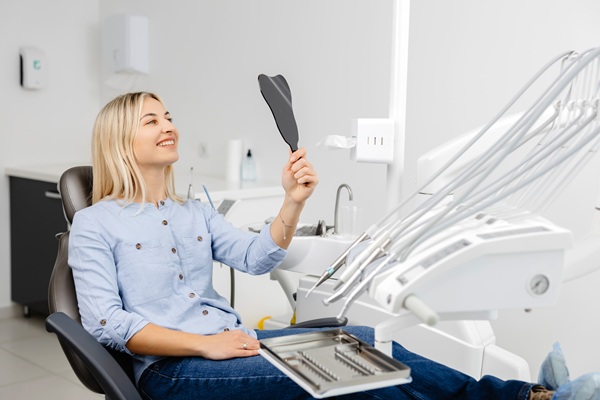
A cosmetic dentist is a great resource to utilize when looking to undergo teeth whitening. Their background in general dentistry means patients can receive care that is focused on both the form and function of the mouth. While the mouth's function is not affected by teeth whitening, the form can definitely be!
When it comes to teeth whitening, there are many options available, all of which are worth considering. Keep reading to learn more about different cosmetic dentistry procedures for teeth whitening.
Teeth whitening from a cosmetic dentist
Here are a few procedures that can be used for teeth whitening. Patients who want to improve their smiles may want to review this information before talking with a cosmetic dentist.
In-office bleaching
The most common type of teeth whitening treatment that a cosmetic dentist offers is in-office bleaching. This procedure can be performed in less than an hour and produces immediate results. Sometimes, one or two follow-up appointments may be required to get to the desired tooth shade. That said, these appointments cannot be back to back, as the solution can harm the teeth if overused. The cosmetic dentist will likely recommend follow-up sessions be done a month or two after the initial one.
During an in-office bleaching appointment, the cosmetic dentist will clean the teeth and apply a hydrogen peroxide-based solution to the front surfaces of the teeth. Once evenly coated, a curing light is used to set the solution into place, which lifts the stains and whitens the teeth.
For less severe stains, cosmetic dentists may administer take-home teeth whitening treatments, which are to be used carefully and per the directions provided. At-home teeth whitening treatments are usually in the form of trays in conjunction with a solution that contains hydrogen peroxide. This solution is much stronger than what can be found in a store and is safer for the teeth too.
It is essential to know that at-home teeth whitening treatments typically take longer to produce the most desired results. Generally speaking, results will likely show within a couple of months, which is the amount of time that the entire process typically takes, anyway.
Dental bonding
If heavily stained teeth do not respond to bleaching, it may be recommended for the patient to undergo dental bonding. Cosmetic dentists recommend dental bonding for many reasons, including covering imperfections like stains and repairing small chips or cracks. Dental bonding for teeth whitening might also be recommended if the patient has veneers in their mouth because these cannot be whitened by solutions.
Dental bonding is a relatively simple procedure that can be completed in just one appointment. Composite resin is applied to the surface of the teeth and carefully smoothed out using a special tool. The resin is then hardened by a curing light, which sets it permanently. In most cases, dental bonding for teeth whitening will not have to be repeated for a few years or so. In order to make the results last, the patient will have to practice good oral hygiene and avoid beverages and foods that can stain, such as wine, coffees, teas, and foods like plums or beets.
Veneers
Another option that can be used for teeth whitening is a veneer. Dental veneers are used in general dentistry for cosmetic purposes because they completely cover the front surfaces of teeth. These thin shells are placed directly over the teeth as a way to lengthen or re-shape them. They can also be used to cover imperfections, such as severe stains, chips, and cracks.
Out of these three options, dental veneers require the most effort. They have to be custom created and color matched in a dental lab, which requires multiple appointments for fittings, impressions, and permanent placement. Nonetheless, the results are long lasting and the teeth can be fully restored.
Consult with a cosmetic dentist
If you are interested in any of these procedures, it is best to undergo a consultation with a qualified cosmetic dentist first. This will enable the cosmetic dentist to evaluate your teeth and determine what treatment option is most suitable for you. Additionally, as a patient, you can ask questions or go over any concerns that you have, which can be helpful when navigating the decision-making process.
To find out more or to get scheduled for an appointment, reach out today! We would be happy to answer any of your questions or address any of your concerns.
Request an appointment here: https://www.evansfd.com/ or call Evans Family Dentistry at (210) 503-7043 for an appointment in our San Antonio office.
Related Posts
A cosmetic dentist is often associated with improving the appearance of the smile, but many treatments also offer important functional and health-related benefits. While patients may seek care for whiter, straighter, or more uniform teeth, cosmetic dentistry can contribute to long-term oral health, structural integrity, and overall confidence. Understanding the full value of cosmetic dental…
A cosmetic dentist specializes in enhancing the appearance of the teeth, gums, and smile through various treatments designed to improve both function and aesthetics. While general dentists provide essential care to maintain oral health, a cosmetic dentist focuses on cosmetic procedures that can transform the look of your smile. Visiting this professional offers several key…
A cosmetic dentist focuses on improving the appearance of the teeth and gums while also maintaining oral health. In some cases, such as teeth straightening, they can even make it easier to maintain the health of the smile. From correcting discoloration to reshaping and aligning teeth, cosmetic dentistry can be subtle or transformative — it…
A cosmetic dentist is essential not only in improving oral health but also in enhancing facial aesthetics. The relationship between a person's smile and their overall facial appearance is undeniable, as the teeth, gums, and jawline significantly contribute to one's overall aesthetic. Cosmetic dentistry treatments can improve facial harmony by addressing dental imperfections, creating a…