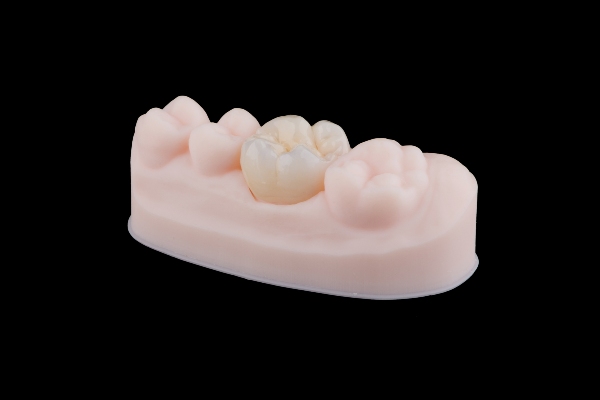
 When treating a damaged tooth, patients commonly choose between dental fillings and crowns to restore function and appearance. Dental crowns are especially valuable when extensive damage compromises tooth integrity. Understanding the differences between these two restorative options helps patients make informed decisions about maintaining optimal oral health.
What are dental fillings?
Dental fillings repair teeth damaged by decay, cavities, or minor chips. The process involves removing the decayed portion of the tooth, cleaning the area thoroughly, and filling it with a durable material such as composite resin or amalgam. Fillings provide a practical solution for mild to moderate tooth decay, preventing further deterioration and maintaining tooth functionality. General dentists often recommend fillings due to their efficiency, affordability, and ability to preserve much of the natural tooth structure.
The advantages of dental crowns
Dental crowns offer more extensive restoration, covering the entire visible surface of the tooth. Made from durable materials like porcelain, ceramic, or metal alloys, dental crowns strengthen teeth significantly weakened by decay, fractures, or previous dental procedures such as root canals. They protect teeth from further damage and restore appearance and function.
Dental crowns provide distinct advantages, such as enhanced strength, protection, and aesthetics. Crowns reinforce teeth that are severely weakened or cracked, preventing fractures and future damage. Custom-made crowns match surrounding teeth perfectly, restoring natural appearance and boosting patient confidence.
Determining the appropriate treatment
Deciding between dental fillings and dental crowns involves evaluating the extent of tooth damage. Minor decay or chips typically require only fillings. However, more significant structural damage or extensive decay usually necessitates dental crowns to ensure adequate protection and longevity.
For instance, dental crowns typically represent the optimal solution if a tooth exhibits substantial cracks or large fillings. Crowns distribute biting force evenly across the tooth surface, protecting against further damage. Dental crowns seal out bacteria effectively, preventing new decay from forming beneath the restoration.
Longevity and maintenance
Both fillings and dental crowns require proper oral hygiene to maximize their lifespan. Fillings can last many years with diligent care, although they might eventually require replacement due to wear or secondary decay around their edges.
Dental crowns, on the other hand, tend to have superior longevity, often lasting decades with appropriate care. Maintaining dental crowns involves regular brushing, flossing, and routine dental visits to monitor their condition and ensure the underlying tooth remains healthy.
Cost considerations and insurance
Cost may influence patient choice between fillings and dental crowns. Generally, fillings are more affordable due to simpler placement and materials. Dental crowns involve more comprehensive procedures, including tooth preparation and custom fabrication, making them costlier. However, dental insurance typically covers a portion of both procedures, significantly offsetting expenses.
Making the right choice for oral health
While both dental fillings and dental crowns effectively address damaged teeth, the best treatment depends on individual needs. For extensive damage or compromised tooth strength, dental crowns offer superior protection and durability. Patients should consult their general dentist to assess their specific circumstances and determine whether fillings or dental crowns provide the most beneficial, lasting solution. For more information or to schedule a consultation, call Evans Family Dentistry at 210-503-7043.
Request an appointment or call Evans Family Dentistry at 210-503-7043 for an appointment in our San Antonio office.
Related Posts
Dental crowns can restore severely damaged teeth so that you can smile with confidence. Beyond aesthetics, they also reinforce the bite in strength and function. If you think you need a dental crown or are recommended one after a root canal, learning the step-by-step process of getting one can help you feel at ease.General dentists…
Dentists often recommend dental crowns after a root canal to provide protection and restore the function of a tooth. A root canal treatment saves a tooth that has become infected or severely damaged, typically by deep decay or trauma. While the root canal procedure can save the natural tooth, the tooth may still be vulnerable…
Dental crowns are important in modern dentistry because they protect and support weak or damaged teeth. General dentists often suggest using crowns for damaged teeth that fillings cannot address. Whether due to decay, trauma, or structural issues, crowns help restore the tooth's function and appearance. They also prevent further damage to your smile and oral…